
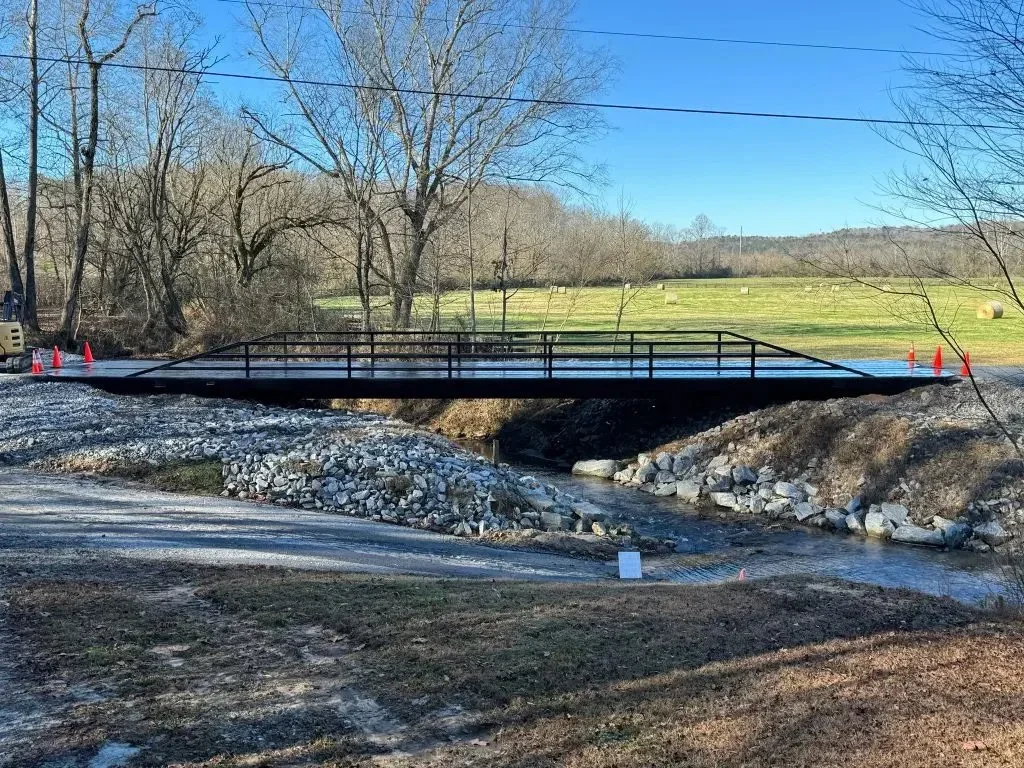
Residential Bridge Construction in Middle Tennessee
VolLand Solutions — Strong Access Where Others Say It Can’t Be Done
VolLand Solutions provides residential bridge and access crossing solutions for property owners, builders, and developers across Murfreesboro and Middle Tennessee. When you need reliable access over a creek, drainage channel, ditch, or low area, we bring the equipment, planning, and safety-first execution to create a crossing that supports what your property needs next—construction, access, usability, and long-term value.
Access isn’t just the crossing—it’s how you safely get to it. We plan approaches that support safe grade transitions, stable entry/exit, equipment access during construction & long-term usability.
Who needs trenching services in tennessee?
Developers & Builders
Build reliable early access for equipment and materials, improve site logistics to reduce delays, and create a crossing that supports future infrastructure and long-term value.
Rural Properties & Hard-to-Reach Sites
Crossing solutions for creeks, drainage channels, and low areas—creating access routes that reduce rutting, erosion, and repeat rework.
Homeowners & Landowners
Create reliable year-round access to your property, replace washout-prone crossings, and improve safety for family, guests, and vehicles.
What We Mean by “Residential Bridge Construction”
For many properties, “bridge construction” really means creating safe, durable access where water and terrain make entry difficult. Depending on the site, that may involve:
bridge-style crossings
engineered access solutions
coordination with drainage/erosion protection measures
sitework prep that supports a long-lasting installation
Every property is different—so our first step is understanding your terrain, water flow, and access goal.
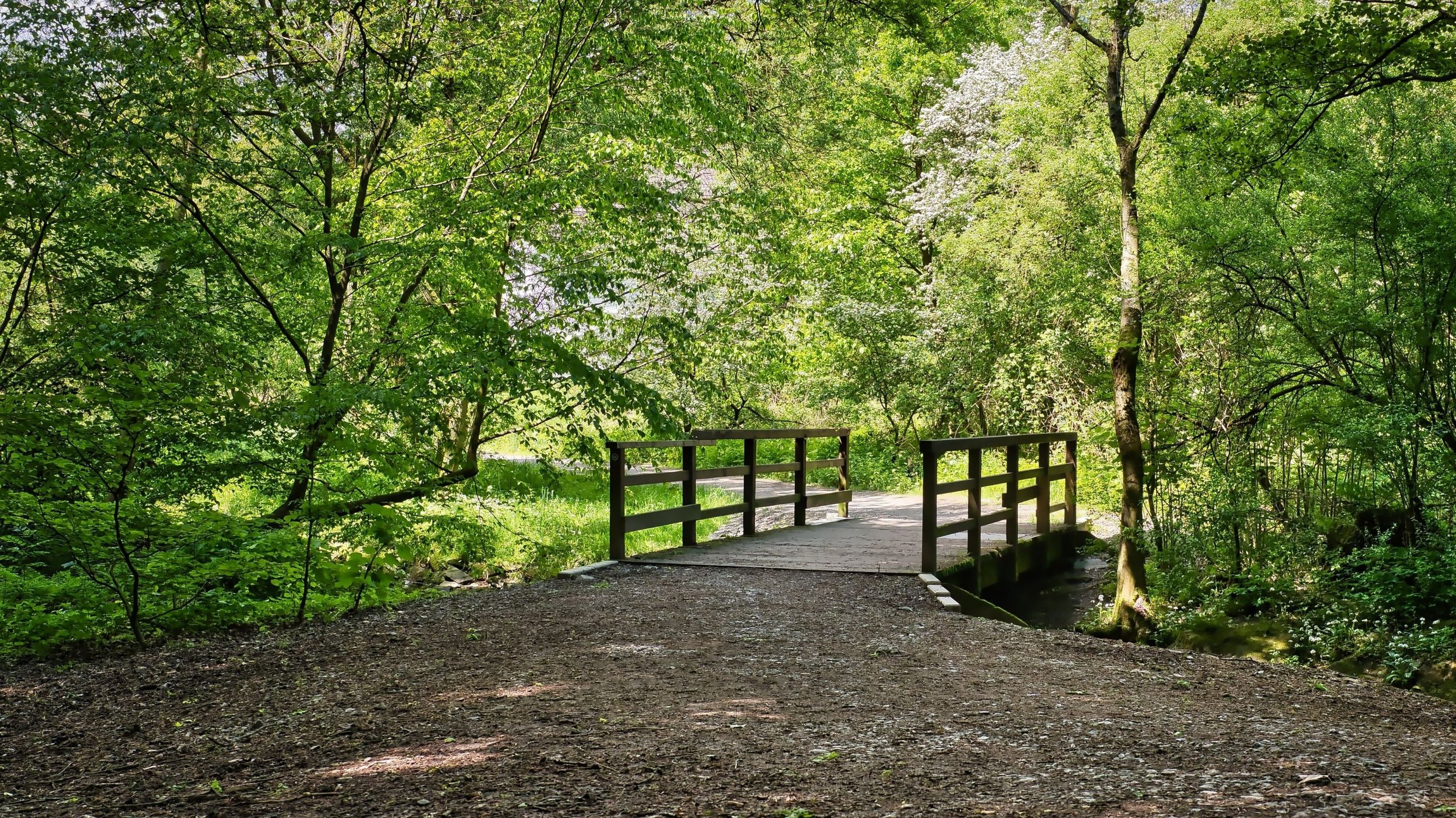
Requirements vary by site. Engineering and permitting may be needed depending on location and waterway conditions.
Why Access Crossings Matter
1) “How do I build a driveway over a creek?”
A creek crossing must account for water flow, soil conditions, and long-term stability. The right solution protects access and reduces the chance of washouts that cost time and money later.
2) “How do I stop my crossing from washing out?”
Most washouts happen because of poor water management, unstable banks, or insufficient protection. A strong access solution considers:
flow path during heavy rain
bank integrity
erosion risks
stable approaches on both sides
3) “Do I need something engineered or permitted?”
Some projects do, some don’t—it depends on your property, local requirements, and waterway characteristics. We can help you understand what the site calls for and coordinate with engineering/permitting when needed.
4) “Can this increase property value?”
Reliable access often increases usability, improves safety, and makes future development more feasible—especially on rural land where access determines what you can build and when you can use it.
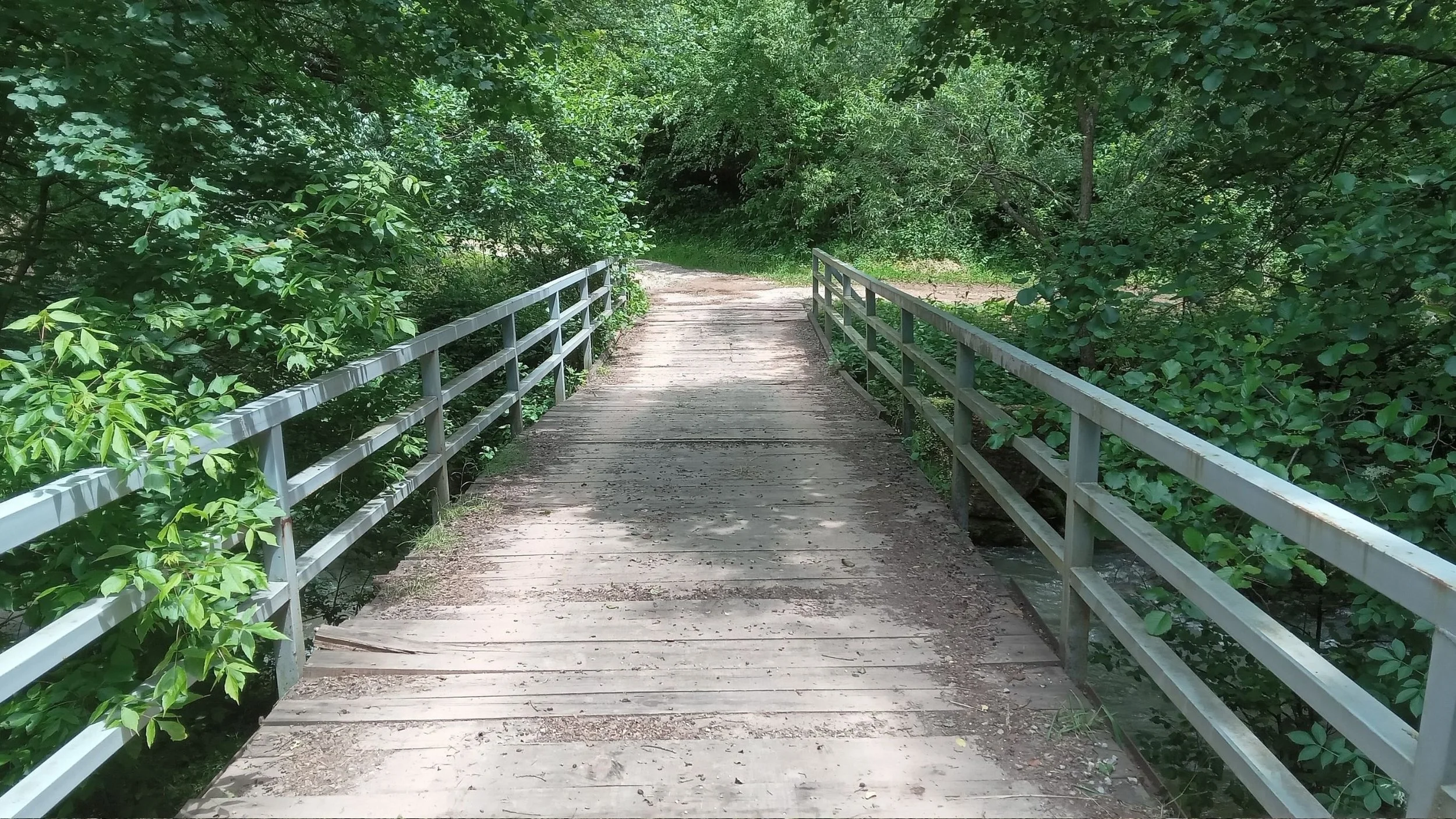
We plan carefully, communicate clearly, and prioritize safe jobsite operation—protecting people, property, and what comes next.
General residential bridge construction FAQ
-
Yes—depending on site conditions and project requirements. The best first step is a site walk to determine the safest and most durable approach for your property.
-
Sometimes. Permitting depends on local requirements and the characteristics of the waterway. We can help you understand what your site may require and coordinate with engineering/permitting when needed.
-
A “driveway crossing” is a broad term for creating access over a low area, ditch, or drainage. A “bridge” typically implies a more structured span. The right solution depends on water flow, terrain, and how you plan to use the access.
-
A properly planned access solution can significantly reduce washout risk, especially when it accounts for water flow, stable approaches, and erosion control. Site conditions matter—so we evaluate your property before recommending a plan.
-
Costs vary widely based on span needs, terrain, soil conditions, access, materials, and whether engineering/permitting is required. A site walk is the fastest way to get an accurate quote.
-
Timeline depends on complexity, access, conditions, and scope. After reviewing your property, we can provide an estimated schedule.
-
Yes. Many projects require clearing, shaping, and access work together so the property is usable and ready for construction.