
Drainage Solutions in Middle Tennessee: Catch Basins, French Drains & Swales
VolLand Solutions — Move Water the Right Way
VolLand Solutions provides professional drainage installation and site drainage solutions in Murfreesboro and Middle Tennessee, including catch basins, French drains, and swales. If you’re dealing with standing water, washouts, soggy yards, driveway flooding, or runoff that threatens a building site, we help you redirect and manage flow with clean, durable installation—built for what comes next.
Whether you need a catch basin, French drain, or swale, the goal is the same: give water a predictable path so it stops damaging your land and stopping your plans.
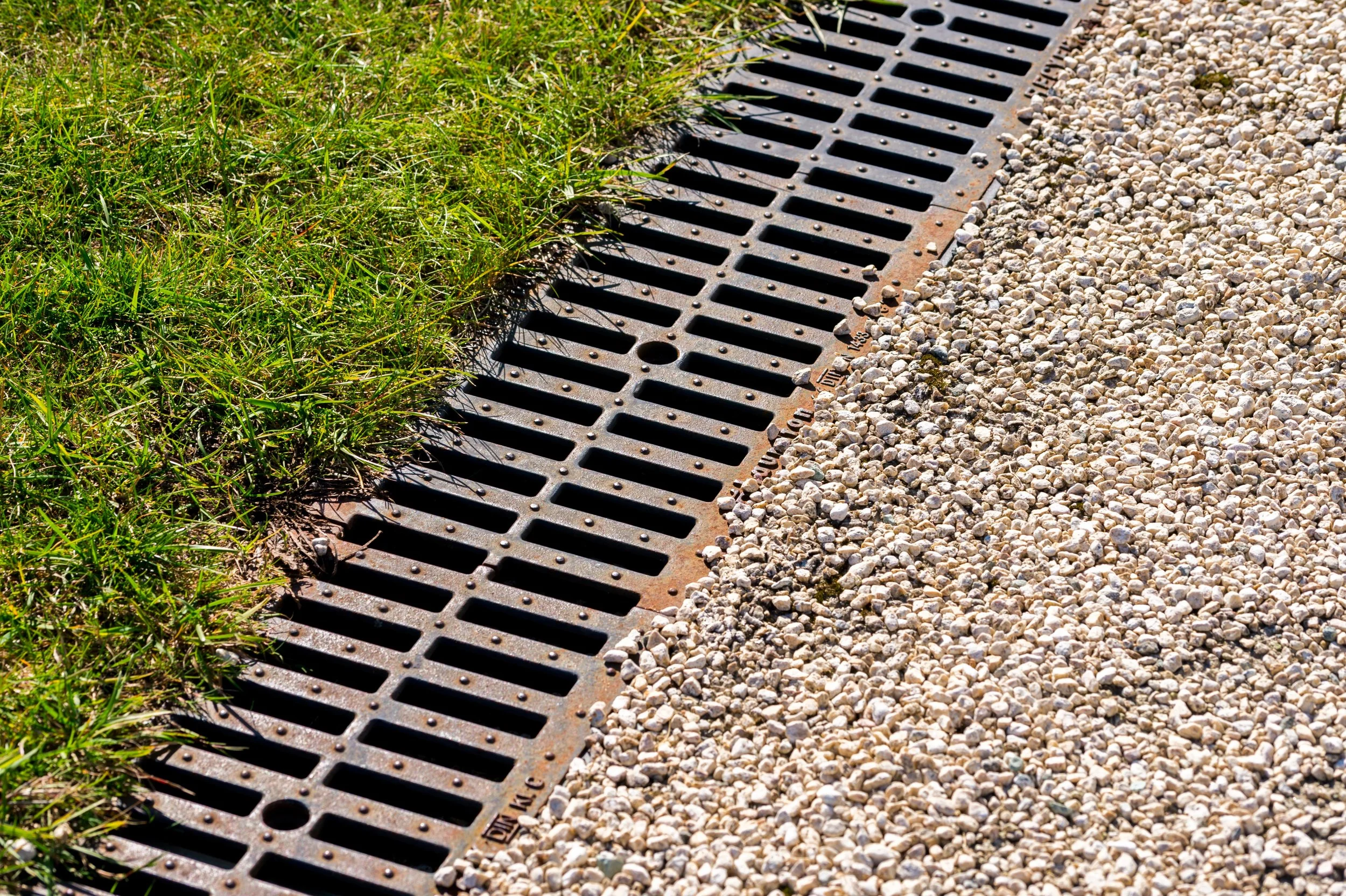
Who needs Drainage Systems in tennessee?
Developers & Builders
Drainage issues can stall construction and create costly rework. VolLand Solutions installs drainage systems that support site prep, access, utilities, and long-term performance, helping keep projects moving and reducing risk during and after construction.
Contractors & Property Managers
For projects where water affects access, safety, or usability, we provide drainage installation that’s planned, trenched, and finished with clean coordination—so follow-on trades can proceed without delays.
Homeowners & Landowners
If your yard stays wet, your driveway floods, or water keeps finding its way to the wrong place, a properly installed drainage solution can protect your home and reclaim usable space. We help you move water away from problem areas so your property stays safe, stable, and easier to maintain.
Drainage Systems Built to Protect Your Property
Drainage work isn’t just digging a trench and hoping for the best. The goal is to collect, move, and release water in a controlled way so your land stays usable and your structures stay protected.
Catch Basins
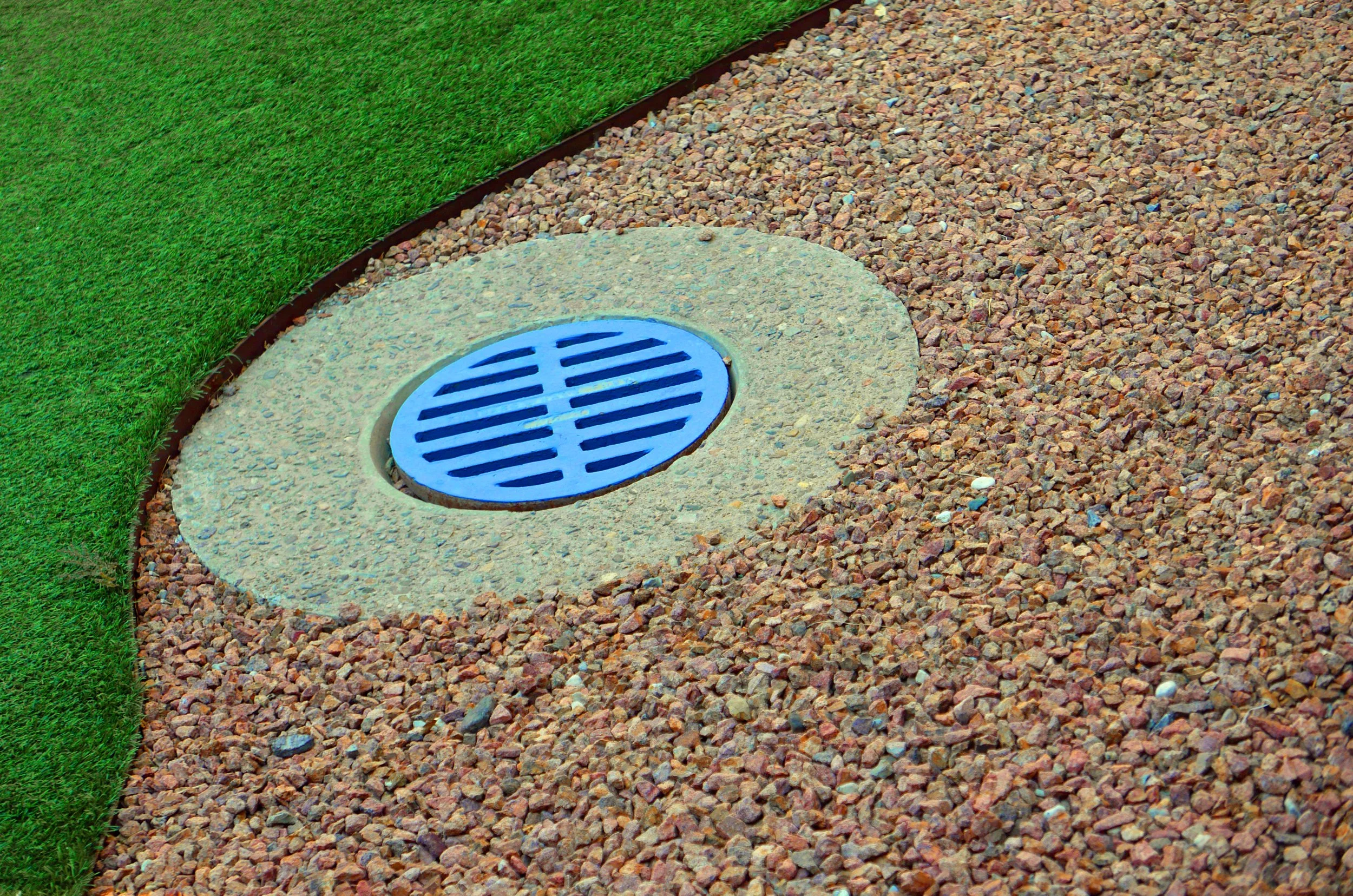
Catch basins collect surface water and debris at problem points—often near driveways, downspouts, low spots, and hardscape runoff areas—then route it into a drainage line so water stops pooling where it shouldn’t.
French Drains
French drains are designed to intercept and move subsurface water through a gravel-filled trench and perforated pipe. They’re a strong solution for soggy areas, persistent standing water, and water that pushes toward foundations, crawlspaces, or low-lying areas.
Swales
Swales are shaped channels that guide water across a property on purpose. They’re often used to manage runoff on sloped lots, direct flow away from structures, and reduce erosion by controlling where and how water moves.
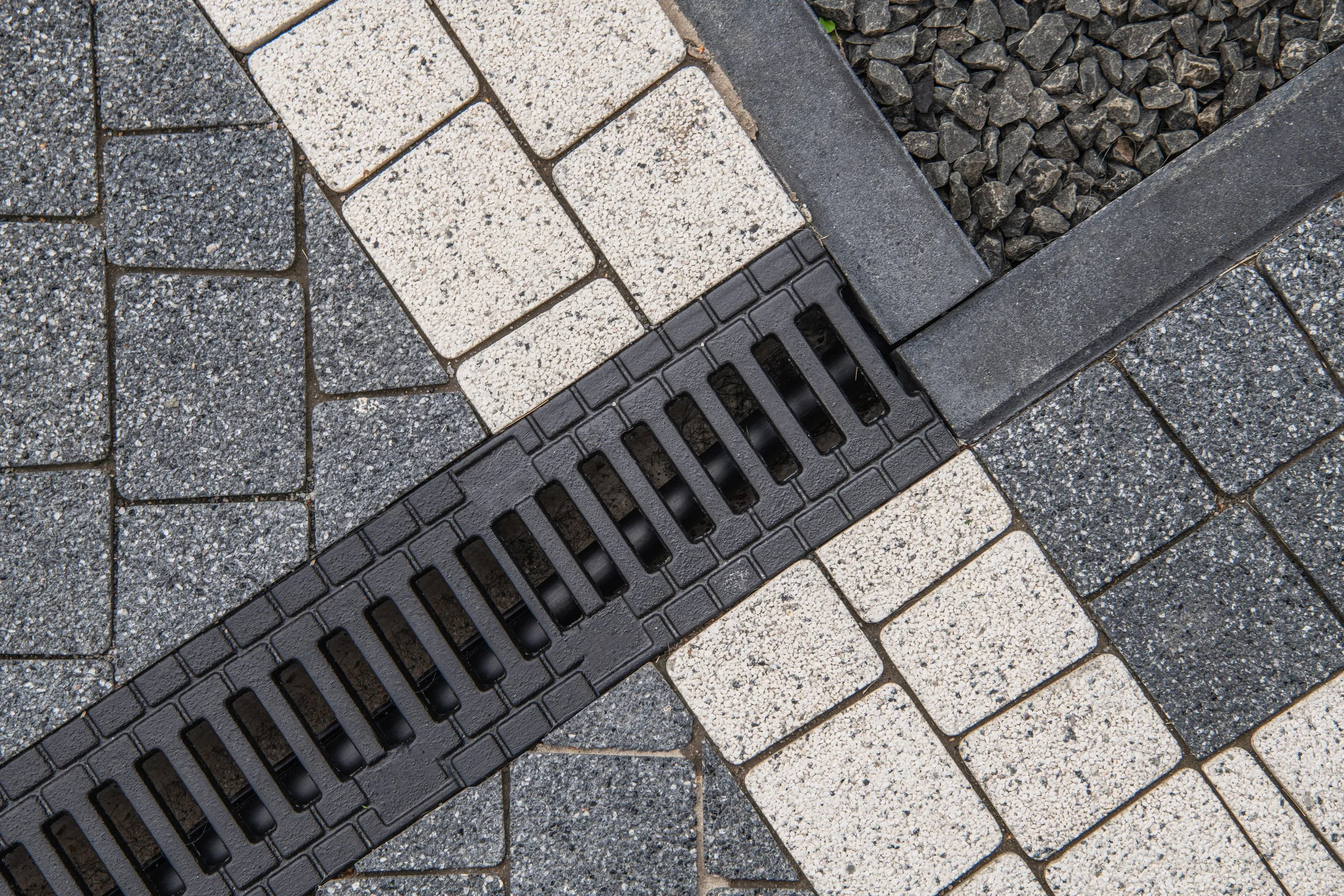
Every property drains differently. We start by understanding where water is coming from and where it needs to go, then install a solution that fits the land—not a one-size-fits-all shortcut.
Signs You Need Drainage Work
Common Drainage Problems We Solve
If you’re seeing any of the following, drainage improvements may be the right move:
standing water that lingers after rain
soggy ground that never fully dries
washouts on driveways, slopes, or access routes
erosion lines cutting across the property
water moving toward foundations or crawlspaces
low spots that collect runoff
heavy runoff from neighboring properties or hardscapes
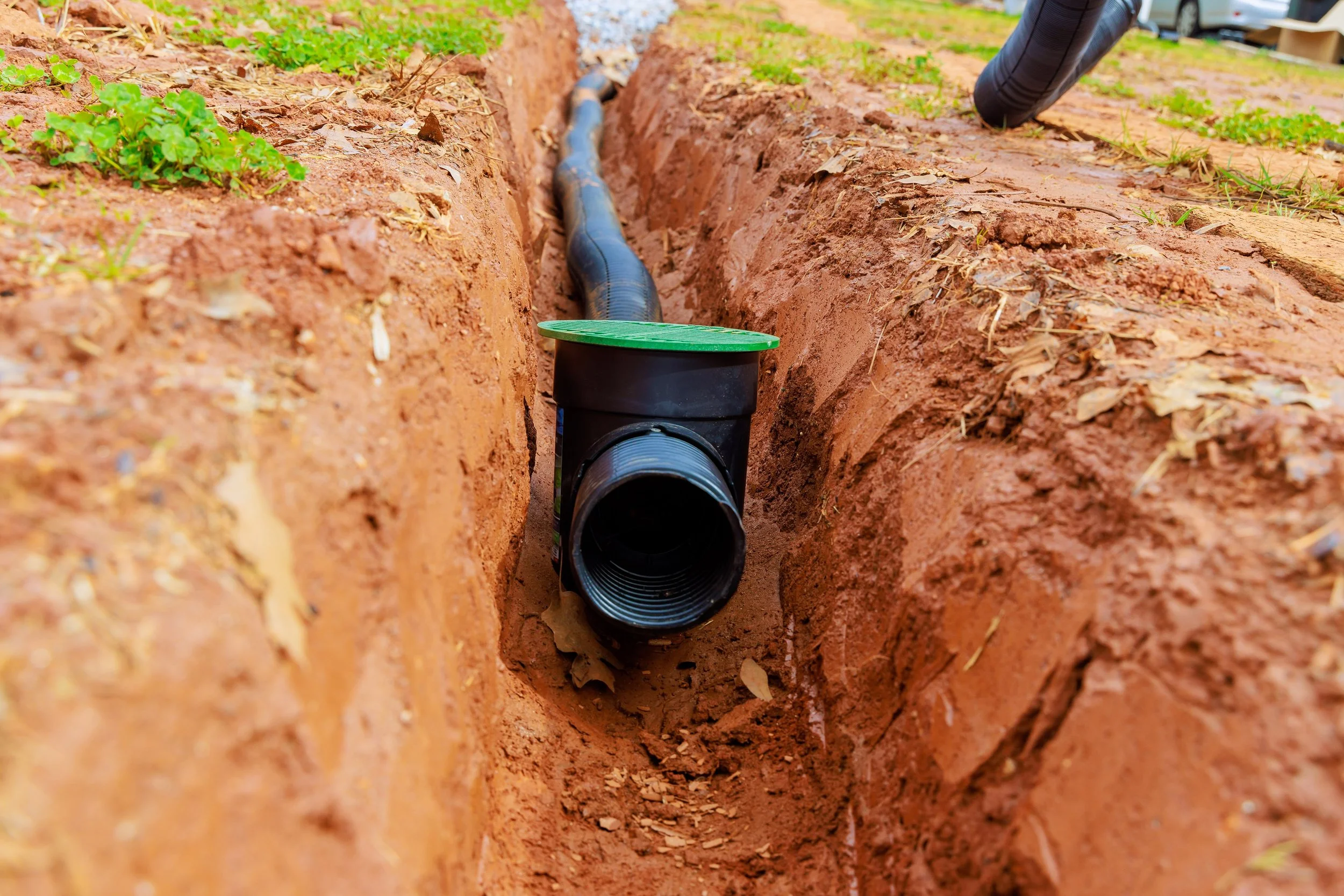
Drainage work often involves heavy equipment, changing terrain, and trenches. VolLand Solutions leads with a safety-first mindset and clear communication from start to finish—protecting your property, our crew, and the long-term outcome of the work.
Drainage FAQ
-
It depends on the problem. Catch basins collect surface water in low spots. French drains move subsurface water through gravel and pipe. Swales guide runoff along a shaped path. Many properties benefit from a combination.
-
Often yes—especially when standing water is caused by subsurface saturation or poor water movement. A site review helps confirm the best placement and routing.
-
Yes. Swales are commonly used on slopes to direct water safely and reduce erosion by controlling runoff paths.
-
Catch basins are typically placed at low points where water naturally collects. Proper routing and outflow planning matter as much as location.
-
With proper installation and maintenance, drainage systems can perform for years. Longevity depends on site conditions, debris load, and correct routing.
-
Pricing varies based on the length/depth of runs, number of basins, access constraints, soil conditions, and finish expectations. A site walk is the fastest way to get a reliable quote.
-
Yes. Precision trenching is a key part of installing catch basins and drainage lines properly, with correct grade and clean routing.